Documentary Filmmaking & Digital Storytelling

The program aims to equip students with industry-relevant practical skills in documentary production, digital storytelling, ethical journalism, multimedia editing, and digital publishing. Theoretical, understanding with hands-on field experience to prepare students for emerging opportunities in the rapidly evolving digital media landscape.

This initiative represents a fostering professional excellence, responsible storytelling, and cultural representation.

Over the past two and a half decades, the rapid growth of social media and digital platforms has significantly altered the traditional media ecosystem. The accessibility of smart phones, internet services, and digital tools has empowered individuals to produce and distribute content independently. While this shift has encouraged citizen journalism, it has also resulted in:

  1. A decline in verified and credible content.
  2. Weak research and storytelling standards.
  3. Limited understanding of journalistic ethics.
  4. Cultural and narrative dilution in the overwhelming flow of unstructured media.

In this context, it is essential to equip young students with structured training in documentary filmmaking and digital storytelling so they can create authentic, responsible, and impactful content rooted in professional standards.


Objectives of the Course

To introduce students to the fundamentals and advanced techniques of documentary filmmaking.

To develop practical skills in digital storytelling.

To train students in research, scriptwriting, interview techniques, and visual narrative construction

To instill an understanding of journalistic ethics and responsible content production.

To prepare students for professional opportunities in media, digital production, and freelance markets.

Course Duration & Structure

Duration

6 Months (24 Weeks)

Sessions

2 Classes per Week

Session Duration

2–3 Hours

Mode

Hybrid

Teaching Methodology

  • Interactive lectures
  • Hands-on workshops
  • Field assignments
  • Group projects
  • Guest lectures from  industry Professionals
  • Practical production exercises

Detailed Curriculum Outline

  • Evolution of Media: Traditional vs Digital
  • Introduction to citizens Journalism
  • Media ethics and professional Responsibility
  • Identifying Fake News & Fact- Checking Techniques
  • Role of Media in Society
  • Structure of a Story (Beginning, Middle, End)
  • Narrative Techniques in Documentary Film
  • Types of Documentaries ·Scriptwriting & Storyboarding
  • Research methodology and topic selection

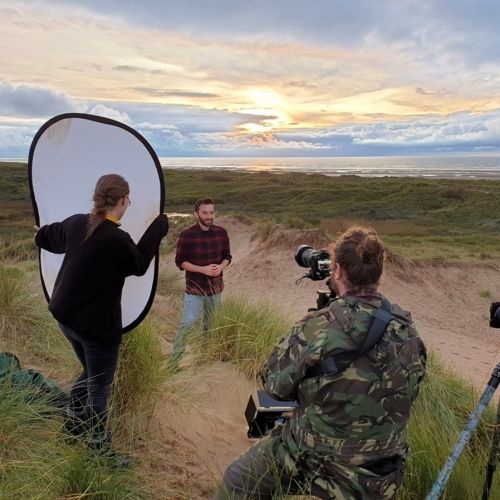
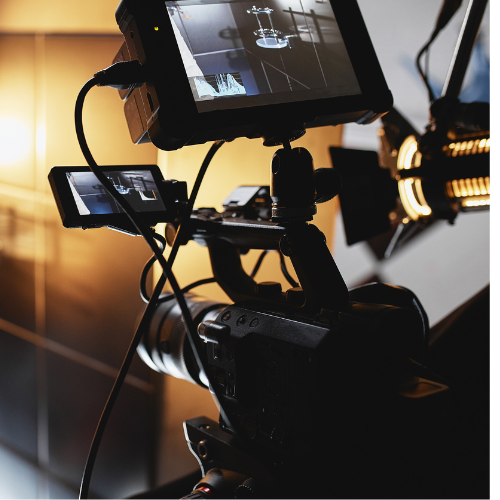
  • Understanding Camera Basics (DSLR & Mobile Filmmaking)
  • Framing, angles, and compositions
  • Lighting Techniques
  • Audio Recording Principles ·Interview Techniques

  • Introduction to Editing Software (Adobe Premiere / CapCut / Filmora)
  • Video Sequencing & Cutting
  • Sound Editing
  • Subtitling & Captions
  •  
  • YouTube
  • Algorithms
  • Thumbnail Design & SEO Basics
  • Digital Branding
  • Content Monetization
  • Ethical Digital Distribution
  • Individual or Group Documentary Project
  • Field Production
  • Complete Editing and post-production
  • Public Screening
  • Jury Presentation & Evaluation

Learning Outcomes

Upon successful completion of the course, students will be able to:

  1. Produce professional-quality documentary films.
  2. Develop structured and compelling digital narratives.
  3. Conduct research and interviews ethically and effectively.
  4. Publish content strategically across digital platforms.
  5. Enter media industries, internships, or freelance markets with practical skills.

Detailed Curriculum Outline

  • Documentary production
  • Scriptwriting and storytelling
  • Video shooting and editing
  • Audio recording and post-production, Digital publishing and content strategy

These are directly applicable skills in today’s media-driven economy.

  1.  

By the end of the course, each student will have:

  • A completed documentary film
  • Short digital storytelling projects
  • A showreel/portfolio for internships or job applications

A strong portfolio significantly increases employability in creative industries.

Students learn:

  • Fact-checking and verification techniques, Media ethics and professional standards, Responsible storytelling
  • This gives them credibility in an era of misinformation.
  • Interviewing skills
  • Public speaking abilities
  •  Research and analytical thinking
  • Narrative-building competence

These skills are valuable beyond media careers.

Students can independently:

  • Launch a YouTube channel
  • Create branded digital content
  • Produce documentaries for NGOs or institutions
  • Build a freelance career

Work independently or with production houses to create:

  • Social issue documentaries
  • Cultural films
  • Institutional and educational documentaries

Produce content for:

  • YouTube
  • Instagram
  • TikTok
  • Facebook
  • Digital news platforms

Opportunities exist in:

  • Media houses
  • Marketing agencies
  • Film production companies
  • Freelance marketplaces  (Fiverr, Upwork, etc.)

With documentary and storytelling skills, students can work in:

  • Digital news platforms
  • Online media organizations, independent journalism initiatives

Manage content strategy and video production for:

  • Businesses
  • Educational institutions NGOs
  • Corporate brands
  • Create: Promotional documentaries
  • CSR (Corporate Social Responsibility) videos, Awareness campaigns
  • Training videos

Development organizations require professionals who can:

  • Document social projects
  • Produce impact stories
  • Create advocacy films

Students can:

  • Start their own production studio
  • Offer video production services
  • Monetize YouTube content
  • Build personal media brands

With experience, graduates can grow into roles such as:

  • Creative Director
  • Documentary Producer
  • Media Consultant
  • Digital Media Entrepreneur
  • Film Festival
  • Participant/Independent Filmmaker
  •  

Since this course is designed for students, it complements their visual creativity by adding:

  • Narrative structure
  • Technical media production skills
  • Market-ready digital expertise
  • This combination makes them highly competitive in the creative industry